


-

Add: HeBei ShengShi HongBang Cellulose Technology CO.,LTD.
-

Email
13180486930@163.com -

CONTACT US
+86 13180486930

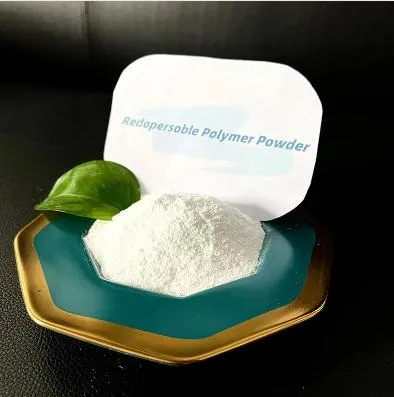
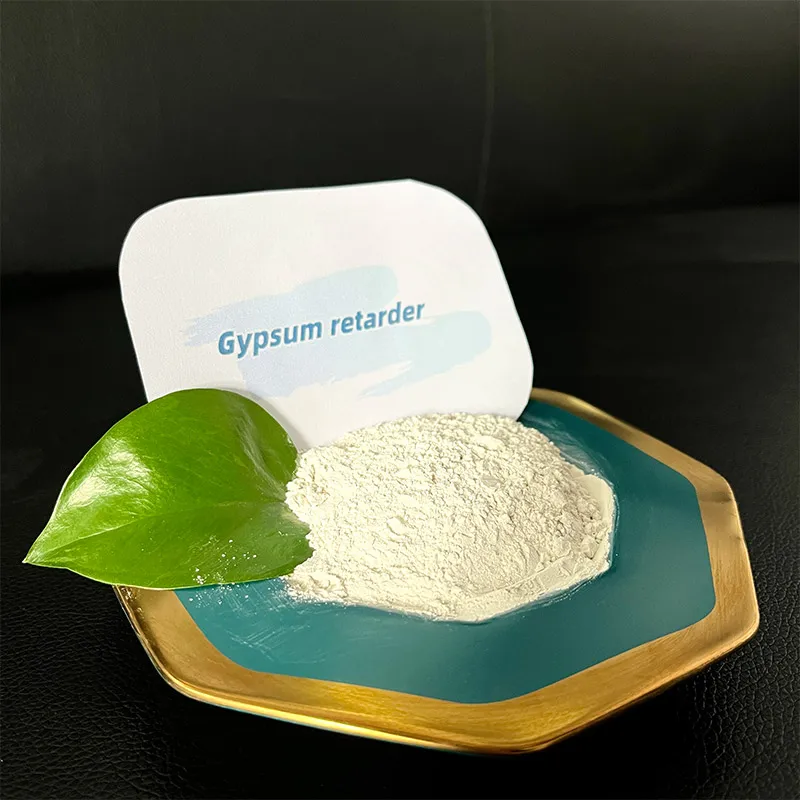


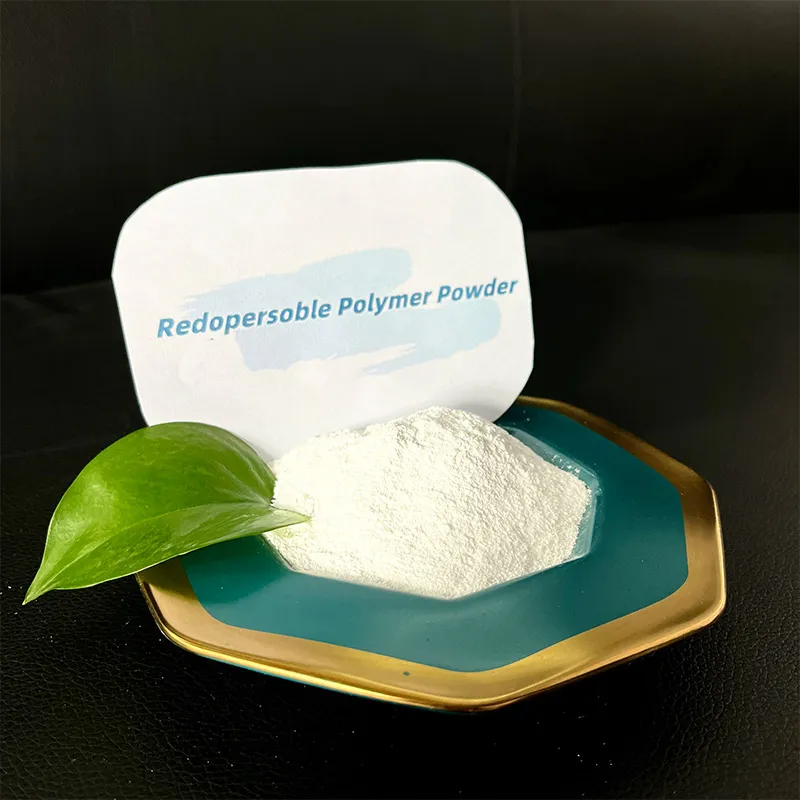
In the urgent pursuit of greener building practices, redispersible polymer powder (RPP) emerges as a transformative additive, redefining the environmental footprint of modern construction materials. Produced through energy-efficient spray-drying of polymer emulsions—typically polyvinyl acetate powder or acrylic copolymers—these powders form protective, dust-free particles that reactivate instantly upon water contact. Unlike solvent-based alternatives, RPP eliminates volatile organic compound (VOC) emissions while enhancing mortar performance, bridging the gap between ecological responsibility and structural excellence. Its integration into cementitious systems reduces raw material consumption, minimizes waste, and extends building lifespans, positioning it as a cornerstone of circular construction economies.This article may help you understand the relevant content. Redispersible Polymer Powder : The Engine of Low-Carbon Mortars Redispersible polymer powder acts as a molecular glue within dry-mix formulations. When water is added, the powder redisperses into a cohesive film that binds cement particles and aggregates, dramatically improving adhesion, flexibility, and water resistance. Crucially, its production via spray-drying consumes less energy than liquid polymer emulsions due to eliminated transportation weight and refrigeration needs. Leading eco-formulations incorporate recycled polyvinyl acetate powder from post-industrial PVA waste, reducing virgin plastic demand. In tile adhesives, just r edispersible polymer powder content replaces 15% cement volume, slashing carbon emissions per ton of mortar. Furthermore, r edispersible polymer powder -modified mortars exhibit less shrinkage, preventing cracks that compromise thermal insulation—effectively lowering building energy loads over decades of use. Polyvinyl Acetate Powder : The Biodegradable Backbone Polyvinyl acetate powder (PVA-P), a dominant r edispersible polymer powder variant, offers unique sustainability advantages. Derived from acetic acid and ethylene—increasingly sourced from bio-based feedstocks—it demonstrates partial biodegradability in landfill conditions, unlike purely synthetic polymers. When used in plasters or renders, PVA-P’s polar molecular structure enhances hydrogen bonding with cellulose fibers (for example: recycled paper waste), creating lightweight composites with 40% lower embodied carbon than traditional gypsum boards. Its alkali resistance prevents degradation in cement matrices, ensuring long-term durability. Innovations like "self-deactivating" PVA-P break down photolytically after demolition, addressing microplastic concerns. Case studies show PVA-P-based exterior insulation finishing systems maintaining R-values 30% longer than conventional systems due to reduced crack-induced thermal bridging. Polymer Powder Innovations: Closing the Resource Loop Advanced polymer powder technologies now prioritize cradle-to-cradle design. Pioneering manufacturers utilize industrial carbon dioxide emissions during polymerization, sequestering carbon within the powder itself. Post-consumer construction waste is milled into "reactive filler powders" that hybridize with r edispersible polymer powder , creating mortars with 50% recycled content without sacrificing compressive strength. For moisture-sensitive applications (example:wood-wool acoustic panels), hydrophobic polymer powder variants incorporate silane modifiers, eliminating toxic waterproofing coatings. In prefabrication, RPP-enabled rapid-setting mortars cut energy-intensive curing, while powder flow additives like rice husk ash prevent clumping—replacing synthetic silica. Third-party certifications validate these closed-loop systems, with some RPPs achieving negative carbon footprints via verified carbon credits. As the dominant base polymer in RPP systems, polyvinyl acetate powder offers unparalleled ecological advantages. Its synthesis from acetic acid and ethylene creates inherently low-toxicity chains, unlike acrylics requiring styrene or butadiene. When plasticized with bio-based agents like acetyl tributyl citrate, polyvinyl acetate powder delivers flexibility comparable to petrochemical alternatives with 70% lower ecotoxicity. In tile adhesives, PVAc-based RPP enables thinner applications – reducing material consumption while maintaining superior shear strength. Recent breakthroughs include PVAc powders grafted with cellulose nanofibers, boosting bond strength while using less cement. FAQs about Demystifying redispersible polymer powder Sustainability Does redispersible polymer powder compromise mortar strength? No. R edispersible polymer powder enhances tensile strength and flexural strength while reducing brittleness. It allows cement reduction without performance loss, directly lowering carbon intensity per square meter of construction. Can polyvinyl acetate powder withstand prolonged UV exposure? Unmodified PVA-P degrades under UV; however, most construction-grade powders integrate UV-stabilizing nano-titania or zinc oxide during spray-drying. Is polymer powder recyclable after demolition? Yes. Advanced sorting technologies separate RPP-mortar debris for reuse. Crushed material serves as reactive aggregate in new mixes, while extracted polymer chains are re-powdered via solvent-free mechanochemical processes. How does redispersible polymer powder reduce water consumption? By improving workability and cohesion, redispersible polymer powder cuts mix water requirements by 15–20%. Its hydrophobic properties also decrease curing frequency, saving thousands of liters on large sites. Are bio-based polymer powders commercially viable? Absolutely. Leading suppliers offer redispersible polymer powder from bio-acetic acid and ethylene. Though currently 10–15% costlier, lifecycle analyses confirm 50% lower ecosystem toxicity versus petroleum-based powders. Redispersible polymer powder transcends its role as a performance enhancer, emerging as an ecological imperative in construction chemistry. By merging the functional excellence of polyvinyl acetate powder with radical resource efficiency, it enables mortars that build resilient structures while healing planetary systems. For architects and builders, adopting these powders is no longer optional; it’s the foundation of building a world that endures. If you are engaged in the relevant industry, you can seriously consider our company. There is no time to lose. Don't let bad materials hold you back from your work.
- 40000tons

Production
- 20+years

Experience
- 5000+㎡

Acreage

-
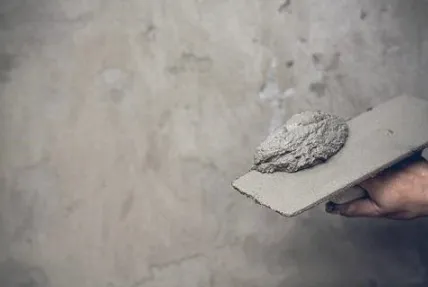
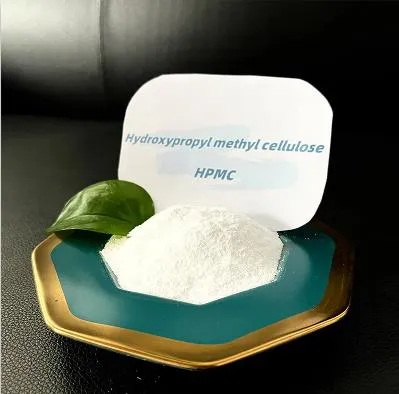
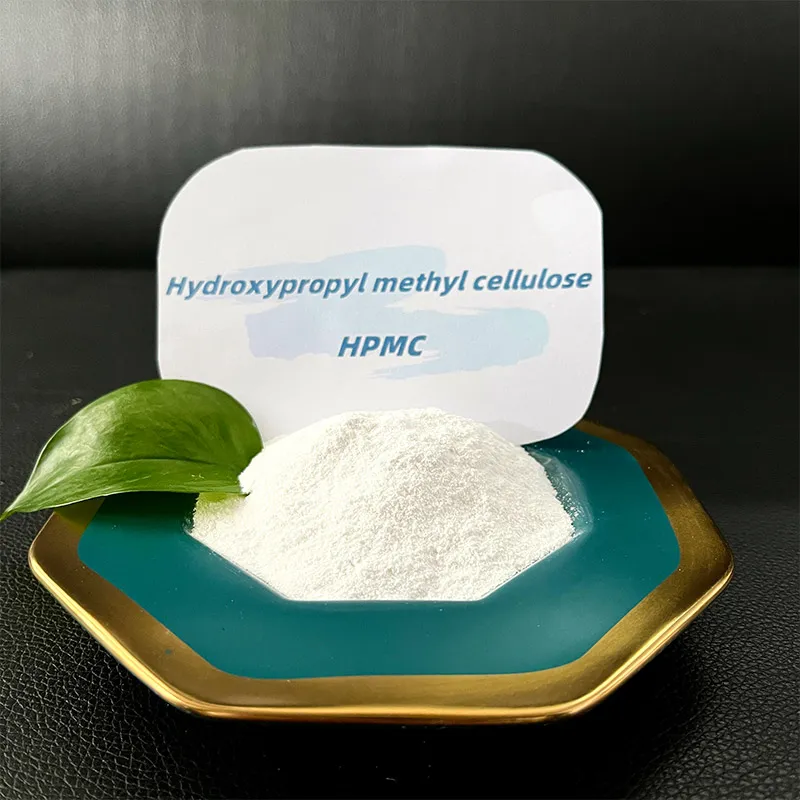
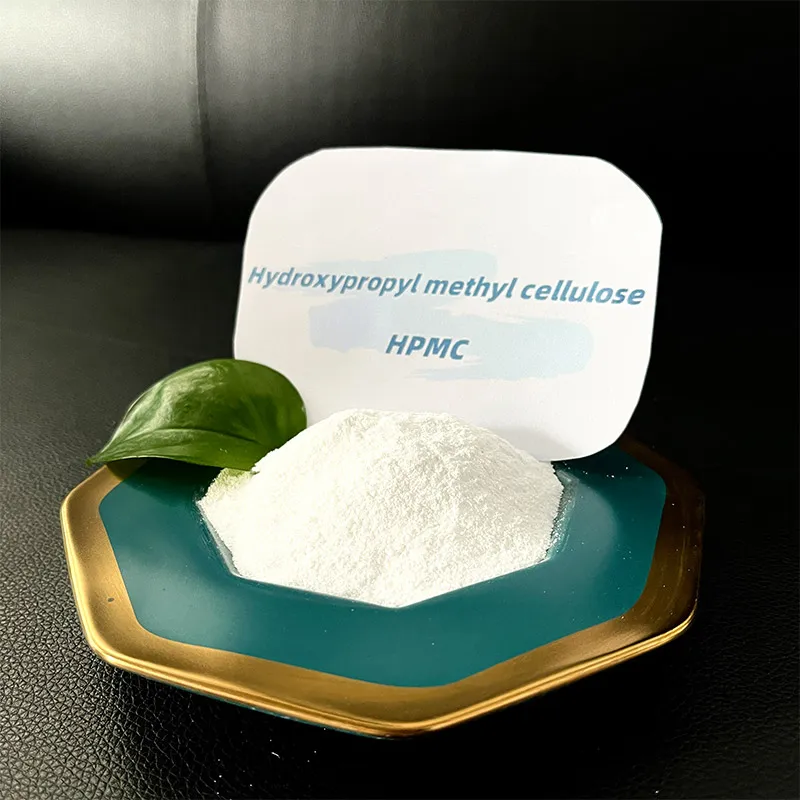
Hydroxypropyl Methyl Cellulose Manufacturers An Overview Hydroxypropyl methyl cellulose (HPMC) is a versatile and widely used cellulose ether that finds applications across various industries, from pharmaceuticals and food to construction and personal care products. As a semi-synthetic polymer, it is derived from cellulosic sources and is favored for its unique properties, including water solubility, film-forming ability, and thickening capacity. With a growing demand for HPMC, numerous manufacturers around the world are striving to meet the needs of different sectors. The Role and Importance of HPMC HPMC is known for its exceptional rheological properties and is utilized primarily as a thickening agent, emulsifier, binder, and film-former. In the pharmaceutical sector, HPMC is used in tablet formulations as a binder and controlled-release agent. In the food industry, it serves as a stabilizer and thickener, enhancing texture and shelf-life. Furthermore, the construction industry employs HPMC in mortars and plasters for improved workability and adhesion, while the personal care sector leverages its film-forming properties in cosmetics and lotions. Key Manufacturers of HPMC Several prominent companies specialize in the production of HPMC, employing advanced technologies to deliver high-quality products. Among these manufacturers are 1. Dow Chemical Company A global leader in specialty chemicals, Dow Chemical produces a variety of cellulose derivatives, including HPMC . The company focuses on innovation and sustainability, offering products tailored to specific industry needs. 2. Shin-Etsu Chemical Co., Ltd. Based in Japan, Shin-Etsu is renowned for its high-grade HPMC products. The company emphasizes quality control and customer service, ensuring its products meet international standards. 3. Ashland Global Holdings Inc. With an extensive portfolio of specialty chemicals, Ashland manufactures HPMC for an array of applications. The company's commitment to research and development allows it to produce customized solutions that enhance product performance. hydroxypropyl methyl cellulose manufacturers 4. BASF SE A major player in the chemical industry, BASF offers a broad range of HPMC products. Leveraging its global presence, BASF serves customers across various sectors, providing innovative solutions that meet specific requirements. 5. Metrohm AG Known for its analytical instruments, Metrohm is also involved in the production of HPMC. The company integrates its technology with HPMC applications to enhance customer experience and product efficacy. Manufacturing Process The production of HPMC involves several critical steps, including the alkalization of cellulose, etherification, and purification. Initially, cellulose obtained from wood pulp is treated with sodium hydroxide to create an alkali cellulose. This is followed by etherification, where the alkali cellulose reacts with propylene oxide and methyl chloride to generate HPMC. The final product undergoes purification and drying to ensure the removal of any residual chemicals, yielding high-quality HPMC. Trends and Innovations As industries evolve and environmental concerns rise, HPMC manufacturers are increasingly focusing on sustainable production practices. Many companies are adopting green chemistry principles, utilizing renewable resources, and striving to minimize waste. Innovation in product formulations is also a priority, with manufacturers developing new grades of HPMC that offer enhanced properties such as improved solubility, thermal stability, and biodegradability. In addition, the demand for HPMC in emerging markets is witnessing significant growth. With the rise of urbanization and infrastructure development, particularly in Asia-Pacific regions, the construction and building materials sector's appetite for HPMC is increasing. Conclusion The landscape of HPMC manufacturers is dynamic, characterized by robust competition and continuous innovation. As industries seek reliable performance and sustainability in their materials, HPMC remains a critical component in meeting these demands. Manufacturers are not only focusing on quality and efficiency but also on sustainable practices that align with global environmental goals. Looking ahead, the future of HPMC production appears promising, driven by technological advancements and a commitment to excellence across various applications. Businesses and consumers alike can benefit from the ongoing developments in the HPMC manufacturing sector, ensuring a brighter and more sustainable future.
-
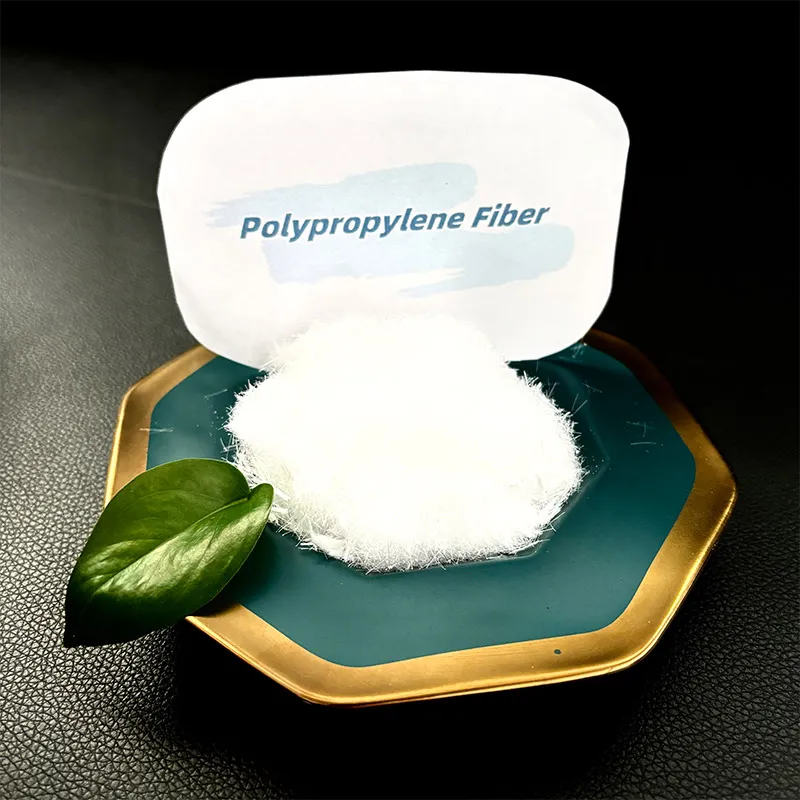
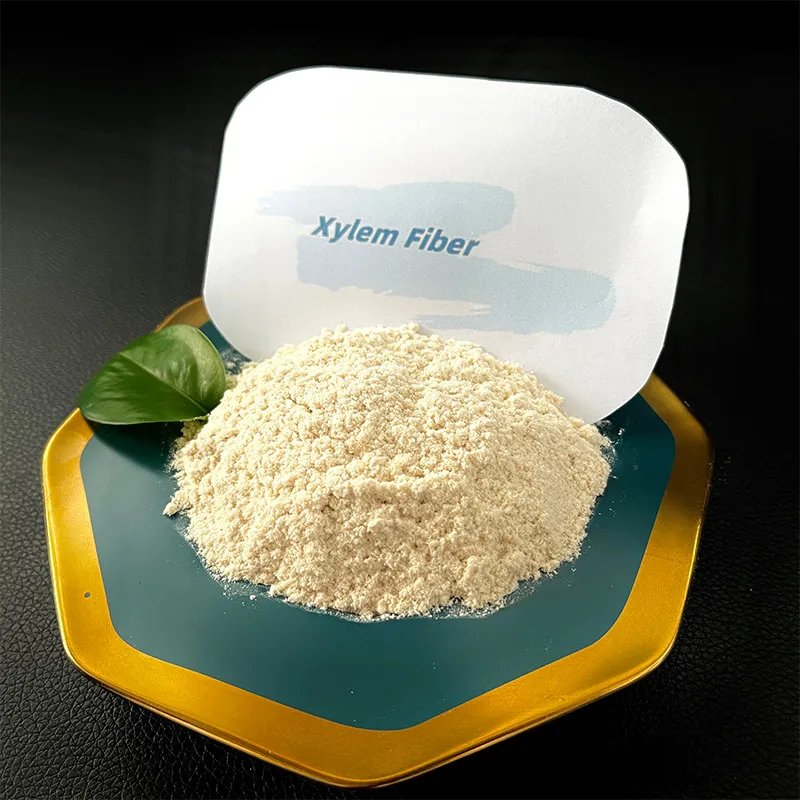
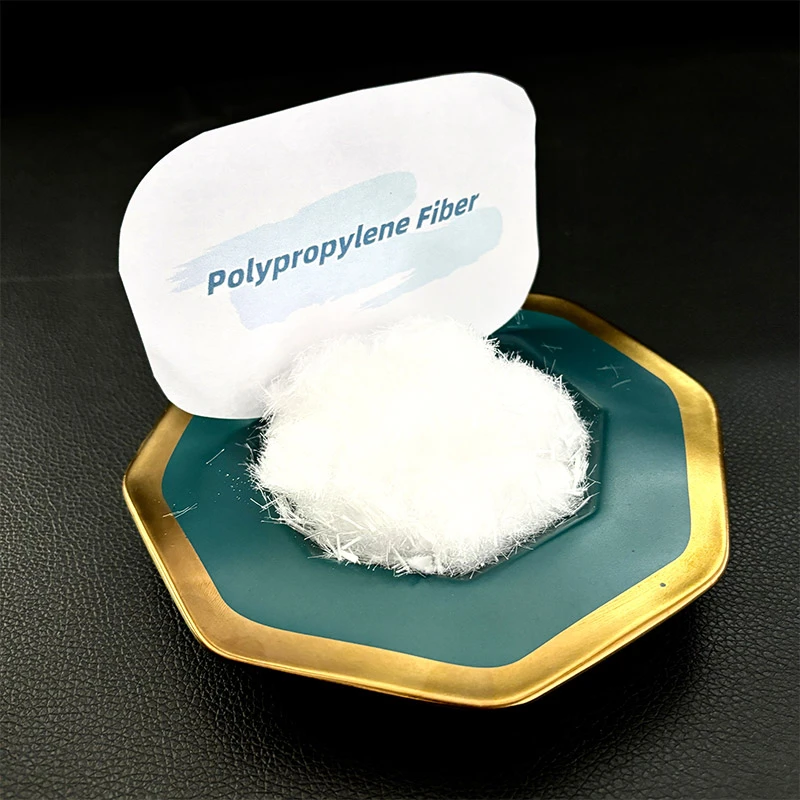
Exploring the World of Fibers A Dive into Natural and Synthetic Choices In the ever-evolving landscape of textile manufacturing, fibers remain at the heart of innovation and design. Recognized for their versatility and integral role in fabric production, both natural and synthetic fibers present compelling choices that cater to diverse consumer needs. Understanding the distinctions between these fibers not only equips consumers with the knowledge to make informed purchasing decisions but also fosters appreciation for the nuanced craftsmanship intrinsic to textile production. Natural fibers, sourced from nature without excessive chemical processing, have been pivotal in human civilization for millennia. Cotton, linen, wool, and silk stand as quintessential examples. Cotton, revered for its breathability and softness, is a staple in garments and household items, offering comfort in every stitch. Linen, derived from the flax plant, provides remarkable strength and longevity, making it ideal for durable clothing and home textiles. Wool, sourced from sheep and other animals, boasts unequaled insulation properties, embodying warmth and resilience even in extreme conditions. Silk, the product of diligent silkworms, exemplifies luxury with its lustrous sheen and smooth texture. Each natural fiber contributes unique attributes—cotton's hypoallergenic qualities, linen's natural antibacterial features, wool’s moisture-wicking capability, and silk’s natural thermal regulation—establishing them as timeless choices in textile design. Beyond their physical properties, the environmental impact of natural fibers is a key consideration. They are biodegradable and often cultivated in sustainable farming systems, promoting an eco-friendly lifestyle that resonates with environmentally-conscious consumers. Parallel to the charm of natural fibers is the realm of synthetic fibers, products of human ingenuity and chemical synthesis. Polyester, nylon, acrylic , and spandex are emblematic figures in this category. Polyester dominates the textile market with its outstanding durability, wrinkle resistance, and affordability, making it ubiquitous in everything from everyday wear to industrial applications. Nylon, renowned for its strength and elasticity, is transformative in applications where robustness is paramount, such as active wear and specialized equipment. Acrylic provides the warmth and comfort akin to wool but at a fraction of the cost, catering to sectors where affordability meets necessity. Spandex, synonymous with stretch and flexibility, revolutionizes the fit and comfort of garments, especially in athletic and active wear. fibers natural and synthetic The allure of synthetic fibers lies in their adaptability and performance-enhancing characteristics. Advances in textile technology have minimized the tangible drawbacks of synthetic fibers, such as moisture retention and environmental impact, through innovations like moisture-wicking treatments and recyclable synthetics that mitigate ecological footprints. In the context of product selection and development, comprehending the synergistic potential of natural and synthetic fibers is instrumental. Blending these fibers can yield fabrics that encapsulate the strengths of both worlds, optimizing performance, comfort, and sustainability in a single product. For instance, a cotton-polyester blend can combine the softness and breathability of cotton with the durability and wrinkle resistance of polyester, catering to multifaceted consumer demands. To navigate the labyrinth of choices, it is essential for brands and manufacturers to align their offerings with consumer expectations focusing on Experience, Expertise, Authoritativeness, and Trustworthiness (EEAT). Communicating the tangible benefits and sustainable practices involved in fiber production can forge stronger bonds with consumers seeking transparency and accountability. Providing detailed insights into the provenance of natural fibers or the cutting-edge technologies behind synthetic fiber innovations enhances brand authority and fosters consumer trust. Navigating the intricate ecosystem where natural and synthetic fibers converge underscores the importance of informed choice. Equipped with a nuanced understanding of fiber characteristics, consumers are empowered to select products that not only meet their functional needs but also respect their personal values and environmental concerns.
advantages
-

200000 Viscosities
Excellent product
We can produce pure products up to 200,000 viscosities
-

40000 tons
High yield
We don’t stop production all year round, and the annual output can reach 40,000 tons
-

24 hours
Quality service
We provide 24-hours online reception service, welcome to consult at any time
———— Inquiry Form
Schedule A services
-
 gentamicin_with_hpmc_eye_or_ear_drops
Oct . 25, 2025
Methyl hydroxyethyl cellulose (MHEC) is a versatile polymer that is widely used across various indus -
 hydroxypropyl_methylcellulose_in_tablets
Oct . 25, 2025
The HPMC Logo A Symbol of Innovation and Quality In today's dynamic world, a logo is more than just -
 prix_de_la_poudre_de_polymere_redispersable
Oct . 25, 2025
Hydroxypropyl methylcellulose (HPMC) stands as a versatile compound widely utilized across numerous


